So what's this furore about influencers that I've been hearing about?
There has been a LOT of talk about influencers and restaurants over the past week or so, triggered by restaurateur Jeremy King's interview with The Standard. And it's kicked off the old "critics vs bloggers/influencers" debate that's been raging pretty much ever since we started Hot Dinners.
To summarise the current furore, Jeremy has (rightly in our opinion) taken action against the lifestyle influencers who have recently been clogging up the toilets at his Bayswater restaurant, The Park. As he tells it, "We started to find customers arriving with suitcases and tripods, then ordering very little, often leaving the table as the food arrived and being absent for long periods. We would often be cajoling women out of the loos to eat their meal and when they eventually returned to the table they would complain that the food was cold and refuse to pay for it."
Sounds like he might have a point...
Obviously, that's incredibly poor behaviour and shouldn't be tolerated by anyone. But King's comments have opened the floodgates once again to a slew of columns about influencers and content creators. Just take a look at the comments below the line on articles in The Times and Restaurant Magazine.
"Ban phones and cameras in all restaurants. Order the food, enjoy the atmosphere & company, pay and leave. End."
"I would love to see the hard figures showing the actual impact of these posts, how many bums on seats they actually bring. My experiences are very little to none."
Luckily for that last commenter, one respectable title actually did that last year. The Financial Times brought its considerable heft and research budget to look into restaurant hype and what actually drives it. To their credit, they included restaurateur Dom Hamdy's (Bistro Freddie/Crispin) quote that the FT critic's review didn't have any impact on bookings. "National paper reviews certainly still have their place. But there is a different audience that isn't reading The Times that are looking to influencers, or people of influence that they trust." They also found that media creators, like Top Jaw (and ourselves) had a key role to play.
Hamdy's experience is supported by Gordon Ramsay who, in the first episode of Being Gordon Ramsay on Netflix is shown hosting a hard hat party at 22 Bishopsgate specifically for influencers. "A lot of chefs hate these influencers because they don't understand where they're going with their phones and their constant posting," says Ramsay. "But they're very powerful and they don't take six weeks to fill a restaurant. When they post, it goes viral... they are the most powerful critics on the planet today."
Is it an age thing?
Trying to take a broad look at what's become a polarising issue, we'd suggest that opinions on influencers come down to what age you are. The Times audience is obviously older than the average consumer on TikTok or Instagram. Therefore, it’s perhaps not that surprising that they seem to think that anyone who relies on a video or photographs to help them decide what restaurant to visit must be mad. But if you're under 30, right now that's probably the key way that you get your restaurant inspiration.
And the idea that the influencers are getting a free ride? Well, those beautifully crafted videos don't just come out of thin air - they're carefully edited, adjusted and coloured to make a restaurant look as good as it can be - all of which takes time.
It's definitely a numbers thing...
And then there's the question of critics. Back in 2009, when we first launched Hot Dinners, there were 10-15 critics regularly reviewing restaurants. London alone used to have five with Fay Maschler at the Standard often reviewing more than one restaurant a week. Now there are just three, at The Standard, Time Out and City AM. There are also far fewer national critics. So the chances of any restaurant getting a review in a print title is vanishingly small. We’ve done the maths.
In 2025, there were 264 new London restaurant openings that we covered on Hot Dinners. A scan through those shows that roughly 50 of them got reviews from traditional critics. So what are the other 200-odd restaurants to do? They're not going to cross their fingers and hope that either Grace Dent or Jay Rayner are going to walk in the door, that's for sure. When there's a growing list of good influencers, putting out compelling content, it's only common sense that they're going to turn to them.
Influencer power and restaurant design
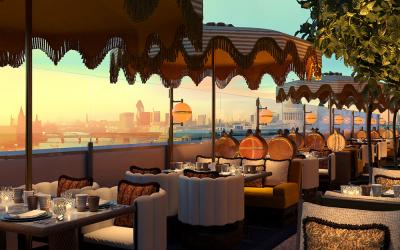
And that brings us to the numerous ways in which restaurants these days do their best to accommodate or even encourage the taking of photos or videos in restaurants (even if they don't admit to it). The next time you notice that the lighting on your table is really good, don't be fooled into thinking that's pure chance. Someone has been busy working out how to avoid shadows or poor lighting, so that when you take the picture that ends up promoting their restaurant on social, it's more likely to be a good one.
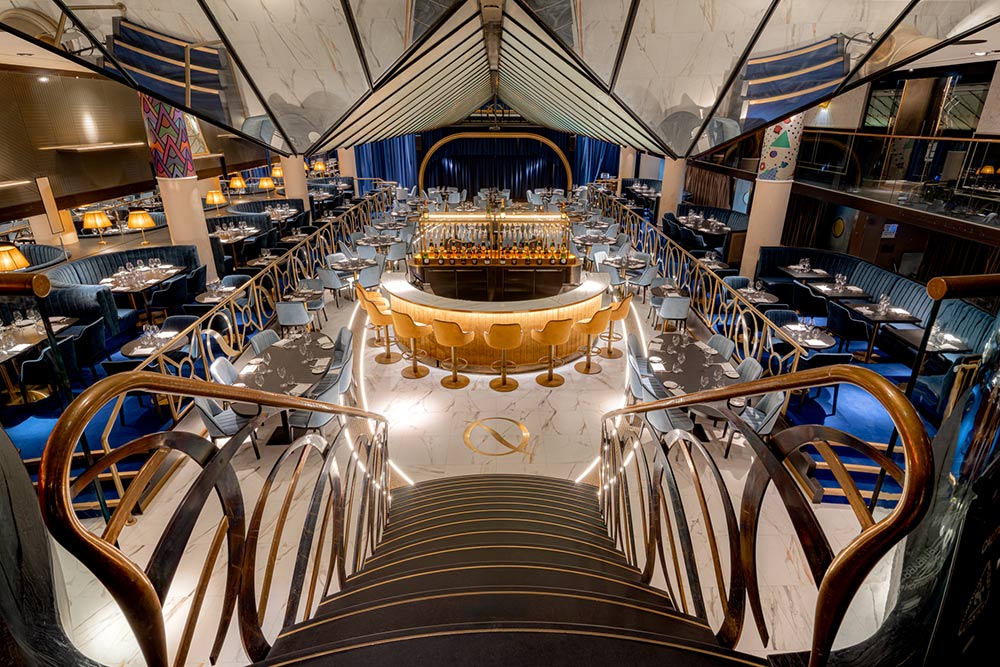
Then there are the restaurant interiors. How many have you been to recently where the loos look almost as spectacular as the dining room? That's no coincidence. As restaurant blogger Andy Lynes explains: "King made the rookie error of opening a restaurant, The Park, with a beautiful Shayne Brady interior design ...that has turned out to be absolute catnip to the TikTok set."
So what's your point?
While we're in no way condoning bad manners and poor behaviour in restaurants, it seems wilfully Luddite to think that influencers aren't a valuable part of a restaurant's marketing toolkit. A huge swathe of this city's restaurant-going demographic are using TikTok and Instagram as a tool to decide where they're going to eat next. So if you're not engaging with those platforms, good luck on filling those tables every day.
What do you think?
Let us know over on Instagram, where we're talking about this now.
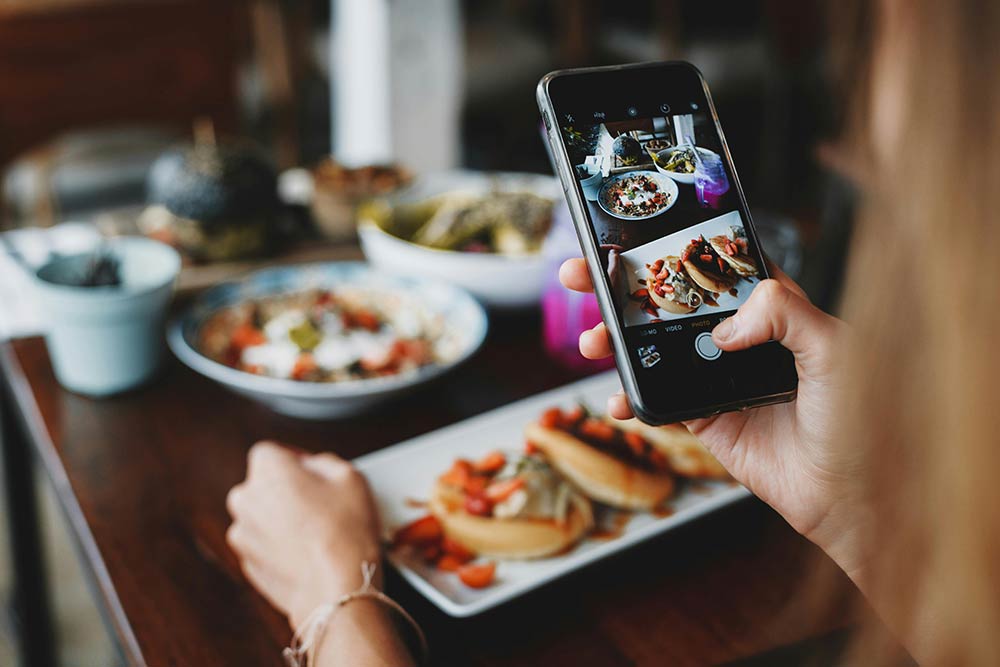
Photo by Roman Odintzov
Subscribe to hear the latest from Hot Dinners